



飞弹画廊
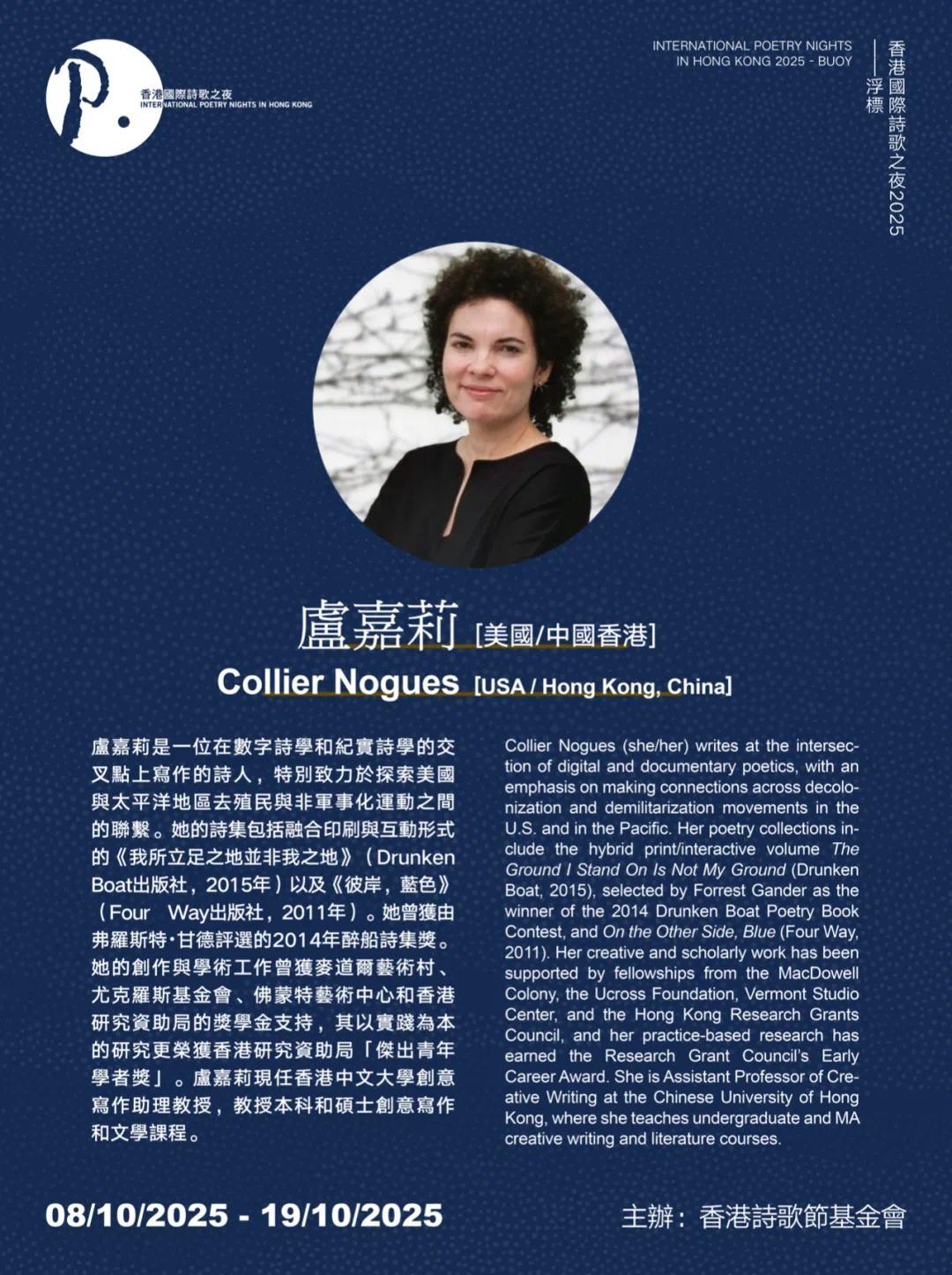
[美] 卢嘉莉
郑政恒 译
如果你平躺
在冰冷的地板上 抬头
你会发现一圈光
这些炸弹无法越过
如陷其中
与你
在博物馆的地下飞弹发射室的
黑暗中。

这首诗创作于一张沉浸式的球体状照片中。如果您有VR耳机,您就可以以3D方式体验这首诗。在电脑或二维设备上,你可以使用箭头键、滑鼠和/或装置运动感应器,浏览诗歌。用两者中任何一种模式探索这首诗,请使用左侧的二维码。
这张照片于2009年12月,在美国国家空军博物馆的飞弹和太空艺廊拍摄,该博物馆将这些飞弹描述为“自由哨兵”。其中大多以神的名字命名。艺廊高140英尺,几乎与梵蒂冈圣彼得大教堂的中殿一样高,同样充满了敬虔的肃穆。
图片来源:Udo Dengler,依据知识分享非商业性相同方式分享授权。
原文刊登于Rabbit Poetry第38辑:档案,2023年夏季号。
Missile Gallery
Collier Nogues
If you lie flat
on the cold floor and look up
you’ll find a ring of lights
past which these bombs can’t go
trapped as they are
with you
in the dark
of the museum’s silo.
This poem is composed inside an immersive spherical photograph. If you have a VR headset, you can experience the poem in 3D. On a computer or device in 2D, you can navigate the poem using arrow keys, a mouse, and/or device motion sensors. To explore the poem in either mode, use the QR code at left.
The photo was taken in December 2009 in the Missile and Space Gallery of the National Museum of the United States Air Force, which describes these missiles as “sentinels of freedom.” Most of them are named for gods. At 140 feet high, the gallery is almost exactly as tall as the nave of St. Peter’s Basilica in Vatican City, and is full of the same worshipful hush.
Image credit: Udo Dengler, under a Creative Commons Non-commercial ShareAlike license.
Published originally in Rabbit Poetry, volume 38: Archive, Summer 2023.
雨景
给Opal,还有她将来成长的城市:香港
[美] 卢嘉莉
郑政恒 译
在白色瓷砖覆盖的公园檐篷的庇护下,
我看着你不停地循环奔跑。你找到了
浅汤碗但没拿走,那里曾经种过
一棵树。它的幸存旁邻的树木,每棵
都在自己的汤里,在微雨里颤抖
当你跺脚时,袜子湿透了,今晚我会再浸湿
以过滤掉它们沾上的铁锈红色泥巴。
我当然记得这是多么快乐的事。
这不是我的泥巴的颜色。我的
是白色的,石灰岩磨成河泥
并且充满了燧石和化石。每次洪水
我们发现死物随水浮上来。
万一道路被冲毁,我们有卡车,
当溪水涨过卡车轴的高度时,
我爸爸开着拖拉机上高速公路
并搭便车去买更多牛奶。
要在这里喝更多牛奶,只需到
Circle K走一走,那里的店员认得你
并打招呼。你对她说:你好,或者她说
早晨,你说:早晨。水果摊老板说:早晨
他给你一个橙。你把文字吸收,
再还给他们,但有时会改变:橙
变成洋──我想是因为cháang──
在我们家,“水果”和“海洋”都是这个意思。
海水来到水果摊附近,乘着
林村河的潮水从船湾涌来,
但水道是经过铺设和设计的,无论雨量如何,
都不可能泛滥。我的母亲
会喜欢那样,会喜欢这座城市建的
庇护所,人们彼此问候时
表达关心。你对那位男人说,谢谢你的洋。
我不知道她会怎么看待你。
我不知道她的天堂在哪里。远离我父亲的,
一定。或者接近,对他们两人来说,就像对我来说一样,
你是每个天堂的锚。我很高兴我们停泊在这里,
我看着你在找蜗牛,那些大蜗牛
在雨中出现,比你忘记的洋更大
在你的畏怯中,你问这些是它的手吗?我说,不,
那是一种眼睛,一种耐水的眼睛。
一些生物,甚至城市,都会建造自己的遮蔽之所。
为2020年香港国际文学节委托创作,原刊于香港诗人黄裕邦开展的写作教学计划WritingPlus。
Rain Scene
for Opal, and for Hong Kong, the city she’ll grow up in
Collier Nogues
Sheltered by the white-tiled park overhang,
I watch you run in nonstop loops. You’ve found
a shallow soup-bowl where a tree was planted once
but didn’t take. Its surviving neighbor trees, each
in their own soup, quiver in the light rain
while you stomp, soaking the socks I’ll soak again
tonight to leach from them their rust-red mud.
Of course I remember the pleasure this is.
This isn’t the color my mud was. Mine
was white, limestone ground down to river clay
and rife with flint and fossils. At every flood
we found dead things risen with the water.
In case the road washed out we had the truck,
and when the creek rose past truck-axle-height,
my father drove the tractor to the highway
and hitched a ride to get more milk.
More milk here takes merely a walk
down to the Circle K, whose clerk knows you
and says hello. Hello you say to her, or if she says
jóu sàhn, you say jóu sàhn. Jóu sàhn, says the fruit stand man
who offers you an orange. You take words in
and give them back, but sometimes changed: orange
becomes ocean—because of cháang, I think—
which in our family now describes both fruit and sea.
The sea comes very near the fruit stand, surging in
on Lam Tsuen River’s tide from Plover Cove,
but the watercourse is paved and engineered, no chance
of flood no matter how the rain comes down. My mother
would have liked that, would have liked the refuge
this city makes, the care its people take to greet
each other. Thank you for the ocean, you say to the man.
What she would have made of you, I wonder.
I wonder where her heaven is. Far from my father’s,
surely. Or near, in that for both of them, just as for me,
you are every heaven’s anchor. I am glad we’ve anchored here,
where I watch you watching for snails, the giant ones
who come out in the rain, bigger than the ocean you’ve forgotten
in your awe, are those its hands you ask and no, I say,
they are a kind of eyes, a kind which can bear water.
Some creatures, even cities, make their own shelter.
Commissioned for the Hong Kong International Literary Festival, 2020, and published originally at WritingPlus, the writing pedagogy project developed by Hong Kong poet Nicholas Wong.
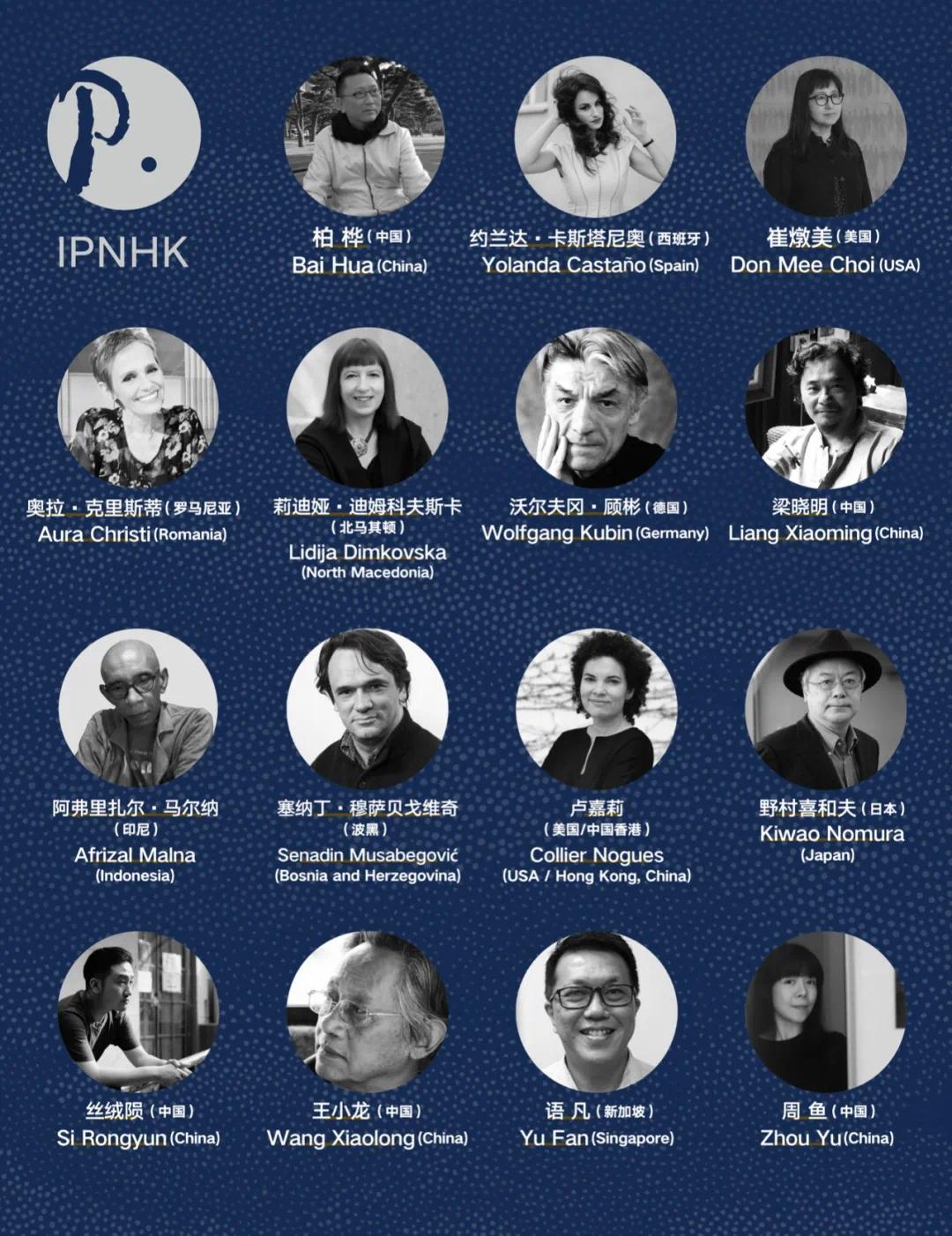
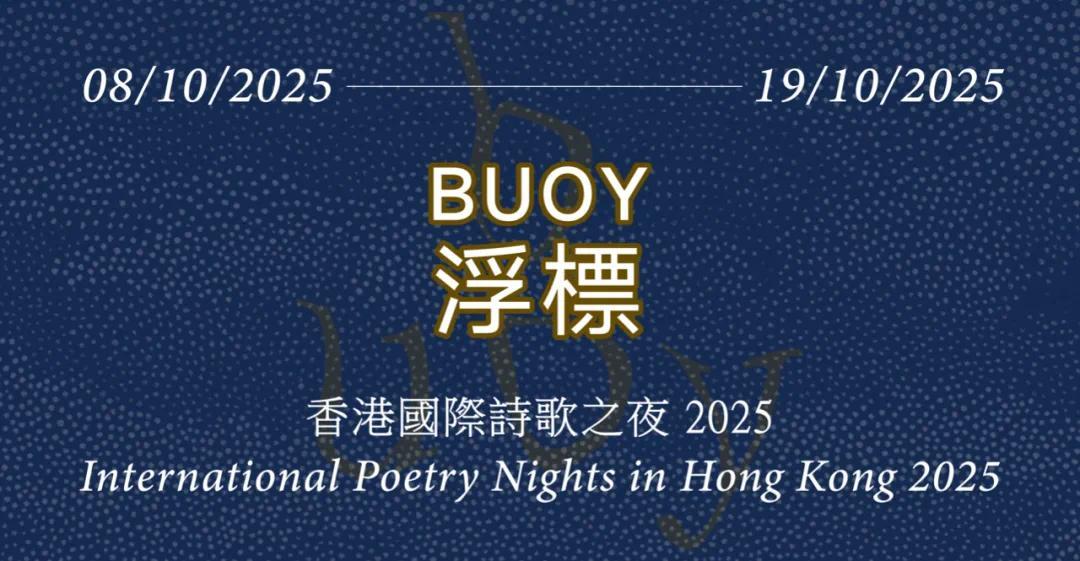
“香港国际诗歌之夜”(IPNHK)是诗人北岛于二〇〇九年创办的国际诗歌节。IPNHK十六年来已成功传递了来自三十多个国家及上百位知名国际诗人的诗歌及思想,成为了亚洲最具影响力的诗歌盛事之一,也是国际诗坛上最成功的诗歌活动之一。IPNHK是“世界文学联盟”的成员,与该联盟合作并打造世界最领先的诗歌节。