

韩庆成:中国诗人的当务之急不再是玩语言和技巧
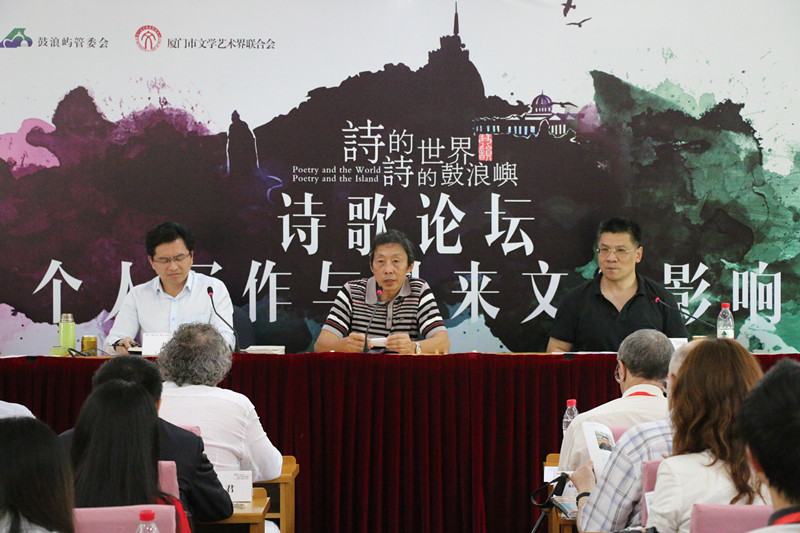
个人化写作与外来文化影响
10月21日上午,2016凤凰·鼓浪屿诗歌节第二天,主题为“个人化写作与外来文化影响”的诗歌国际论坛在鼓浪屿举办。诗人赵野,赵四,李少君,树才,李元胜,默默,韩庆成,廖伟棠,林于弘、黄冈、加拿大诗人洛尔娜·克罗奇(Lorna Crozier),英国诗人李道(Richard Bruns),印度汉学学者、诗人普利亚达西·墨普德教授、韩国翻译家金泰成等人在论坛做出精彩又有见地的发言。论坛由诗人、翻译家、评论家汪剑釗和诗人北塔主持。
鼓浪屿拥有“万国建筑博览”美誉,东方文化与西方文化交会于此,闽南文化与外来文化共融于此。“鼓浪屿女婿”林语堂自评“两脚踏东西文化,一心评宇宙文章”。于诗人而言,外来文化将如何影响个人写作?作为“世界人”的诗人,一方面孜孜不倦地从自身文化中汲取养分,另一方面又无时不刻不体会着全球化带来的“文化震撼”,从而形成观念的冲突、矛盾、变形、融合、促进,进而可能形成写作的自我革新。
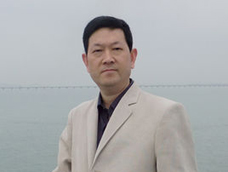
韩庆成
从第三代开始,诗歌写作一度成为极端个人的事情,只注重抒发内心感受,而不关注外在世界。虽然这种现象的形成有着特定的历史因素,但我认为,在这样的一个曲折反复的变革时代,诗歌不应该也不可能完全回归内心,它仍然要受到外部社会的影响,包括外来文化的影响。全球一体化的大趋势,是经济的,也是文化的。
明年是新诗百年,上个月我在胡适家乡安徽绩溪发起了一个百年新诗纪念活动。从新诗的诞生来看,第一首新诗《朋友》,胡适是在美国留学时写的。早期的白话诗人,像刘半农、沈尹默、郭沫若、徐志摩、闻一多、戴望舒、李金发、周作人,等等,都有留学的经历,所以有人说新诗是外来文化影响的产物,也不是没有道理。70年代后期现代诗的诞生,也有相似的情况,这个时期的诗人如食指、北岛、舒婷、顾城、多多、王小妮等,虽因几十年的闭关锁国而无缘到国外留学,但在国内他们想方设法阅读的,基本上都是外国现代文学作品,因为这个时期国内除了样板戏那样的文学作品外,已看不到真正意义上的文学作品。所以,无论是新诗早期的白话诗,还是新诗成熟期的现代诗,都受到了外来文化的巨大影响。上世纪80年代改革开放,第三代及以后的诗人受到外来文化的影响应该更多。
这些都应该是常识。我在这里想说的是,当今新诗理论界谈到这种外来文化影响的时候,往往侧重于语言方面,而有意无意忽略了精神方面的影响。今天看来,在诗歌的语言方面,中国新诗经过100年的发展,已经走在世界的前面,持这种观点的,国外的有顾彬,德国著名的汉学家,国内的有徐敬亚,三个崛起之一。前几天和徐敬亚在深圳和德阳参加“86大展”30周年纪念活动,他多次提到这个观点。因此,借这个发言的机会,我想提醒新诗理论界多研究外来文化对诗人精神层面的影响,这个研究应该不仅仅局限于文学、美学范畴,还应该研究社会学、哲学方面。因为我觉得中国诗人,当然也包括文化人,当务之急不是再玩语言和技巧,而是在精神上如何从中国传统儒家的忠君、道家的出世这一类思想中彻底解放出来,在全球化的时代,接受人类先进文明的洗礼。这也是信息社会成为一个真正诗人的必要前提。
Influence of Foreign Cultures for NewPoetry Writing
Han Qincheng
Since thethird generation of Chinese poets, poetry writing has once turned into anextremely individualized practice, which only focuses on the expression ofinternal feelings instead of concerns for the external world. Severalhistorical factors contributed to this situation, but I believe that poetrywriting should not and will never ever focus only on internal feelings, for insuch a tortuous time of constant changes, it is inevitable for poetry writingto be affected by the society, including foreign cultures. Global integrationis not only about economy, but also about culture.
Nextyear will be the centennial anniversary of the birth of Chinese New Poetry, solast month I initiated a centennial celebration in Jixi County, Anhui Provincewhich is the hometown of Hu Shih. Mr. Hu wrote the first New poem, Friends, when he was studying inAmerica. As the majority of early modern vernacular poets such as Liu Bannong,Shen Yinmo, Guo Moruo, Xu Zhimo, Wen Yiduo, Dai Wangshu, Li Jinfa, Zhou Zuoren,etc. had overseas education experience, some people hold that New poetry wasproduced under the influence of foreign cultures, which I find quitereasonable. Also, there was a similar pattern for the emergence of Modernpoetry in the late 1970s. Famous poets of that period, such as Shizhi, Bei Dao,Shu Ting, Gu Cheng, Duoduo, Wang Xiaoni and etc., stood no chance to studyabroad. Despite this, they tried every possible means to read foreign modernliterary works, since there had been few authentic literature in China but forthe model operas due to decades of blockage from the outside world. It isobvious that both modern vernacular (baihua) style of poetry in the earlyperiod and the Modern poetry in its maturity stage were greatly influenced byforeign cultures. And I believe that since China’s reform and opening-up in the1980s, foreign cultures must have exerted more influences on the third and evenlater generations of Chinese poets.
Theseare no more than common knowledge. What I'm going to say here is: when it comesto the influence of foreign cultures, the theoretical research community of Newpoetry tends to focus on the linguistic aspects but somehow ignores thespiritual influences. Some believe that, after over one hundred years ofdevelopment, Chinese New poetry is now taking the global lead in terms ofpoetic language. This opinion has been supported by the renowned Germansinologist, Wolfgang Kubin, and Xu Jingya, who is one of the famous three"Rising" stars of the third generation of Chinese poets. Xu mentionedthis opinion for quite a few times when he attended the 30th anniversarycommemoration of the Exhibition of Modern Chinese Poetry 1986 in Shenzhen andDeyang. Hereby, I'd like to take this opportunity to encourage the New poetrytheoretical research community to study more about the influences of foreigncultures on the spiritual side of Chinese poets. This study, I believe, shouldnot be limited in literature and aesthetics, but be expanded to sociology andphilosophy, because I believe that the top priority of China’s contemporary ,or more broadly Chinese intellectuals, should be shifted from refining theirstyles and skills to fully liberating themselves from the confinement oftraditional Chinese ideas, e.g., Confucian royalism and Taoist escapism. In thisage of globalization, we should embrace the most advanced civilization in theworld, and this is a prerequisite for becoming a genuine poet in theinformation era.